Is 15 Minutes of Exercise a Day Enough?

Short answer: fifteen minutes a day is a real contribution, and for someone starting from zero it is the right place to begin. It covers one part of the official recommendations well and leaves another part to fill. Here is how the numbers work.
What the guidelines ask for
The Physical Activity Guidelines for Americans, summarized by the CDC, set two weekly targets for adults:
| Target | Amount each week |
|---|---|
| Aerobic activity | 150 minutes at moderate intensity (such as brisk walking), or 75 minutes at vigorous intensity, or a mix |
| Muscle-strengthening | At least 2 days, working all major muscle groups: legs, hips, back, abdomen, chest, shoulders and arms |
Short sessions count
Older versions of the guidelines only counted activity done in blocks of ten minutes or more. The current edition removed that rule. In the CDC’s words, you can “spread your activity out during the week and break it up into smaller chunks of time.” The guidelines also state that any amount of physical activity can have health benefits, and that people who are inactive should start with small amounts and build up.
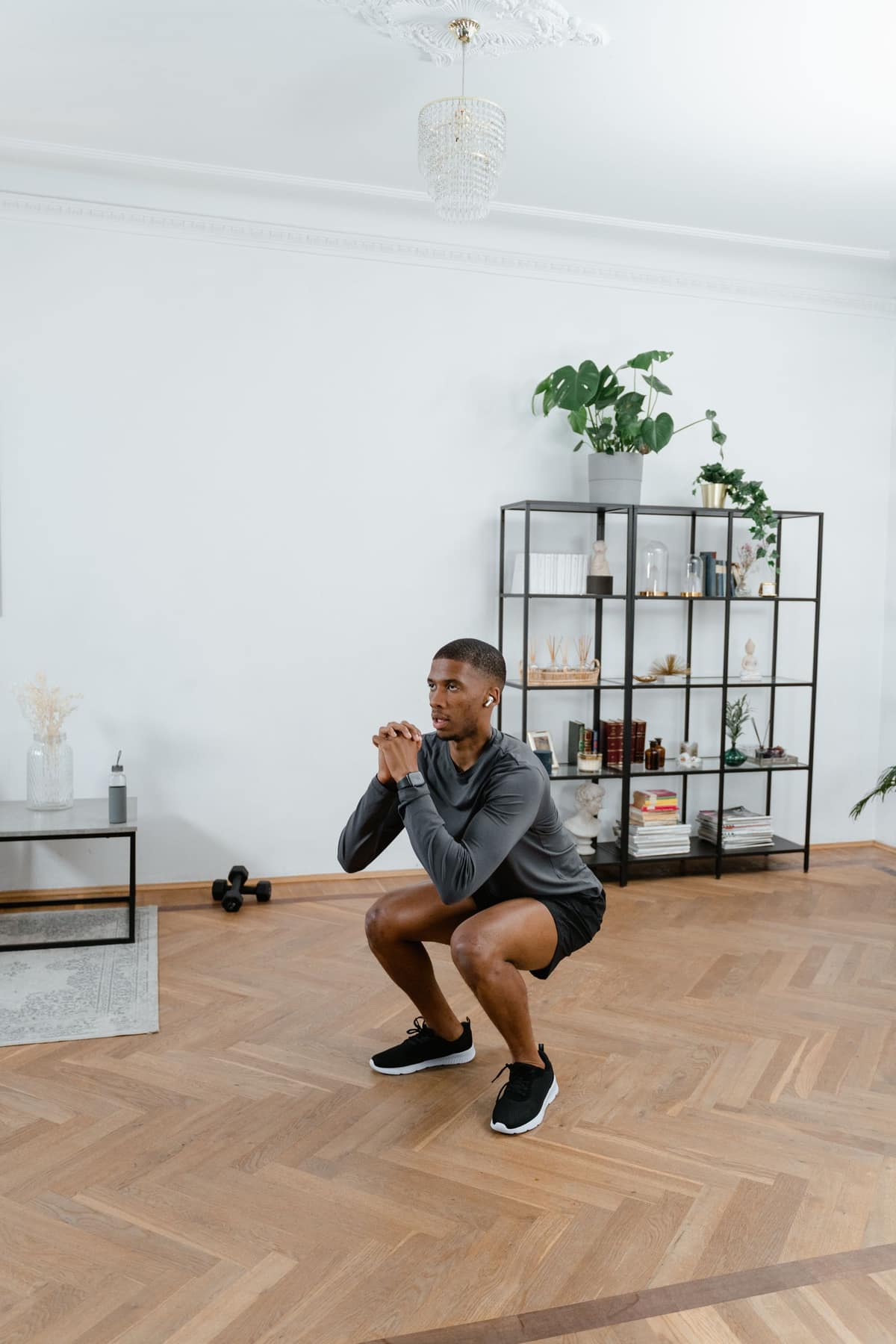
Where a 15-minute bodyweight session fits
- Muscle-strengthening: covered. The CDC lists exercises that use your body weight for resistance, such as push-ups, among muscle-strengthening activities. A plan with five short strength sessions a week is well past the two-day minimum.
- Aerobic: partly. Circuits and faster sessions raise your heart rate, but ten to fifteen minutes a day of strength work does not add up to 150 minutes of aerobic activity on its own.
The simple way to cover the rest
Walk. A brisk 20-minute walk on most days gets you close to the aerobic target, and it fits around a strength session without wearing you out. Take the stairs, walk a phone call, get off one stop early: it all adds up, because short bouts count.
If you are starting from nothing
Don’t wait until you can do everything. The CDC puts it plainly: “Some physical activity is better than none.” Start with the short session, keep it going for a few weeks, then add the walking.
One honest gap
A floor-only bodyweight routine has no pulling exercise, so your back and biceps get less work than your chest and legs. That is acceptable for a first month. Later, a doorway pull-up bar or a resistance band fills it.
Sources
- CDC — Adult Activity: An Overview
- U.S. Department of Health and Human Services — Physical Activity Guidelines, Questions & Answers
- CDC — What Counts as Physical Activity for Older Adults (examples of muscle-strengthening activities)
The CaliStart bundle is 84 days of sessions like this, from beginner to advanced, one page a day, with photos of every move. Seven PDFs, pay once.
General fitness information for healthy adults, not medical advice. Talk to your doctor before starting an exercise program, and stop if you feel pain, dizziness or chest discomfort. Results vary. The people in the photos are models.